


This piece is AI-free. These words are my creation minus the mechanics of artificial intelligence. You are welcome here…

Do you have a favorite Christmas carol? If I had to name only one, mine would be O Come, O Come Emmanuel.
But then, I also love Angels We Have Heard on High…The First Noel…O Holy Night…What Child Is This… It is hard to choose just one.
The carols mentioned above make my list because I love to sing them. This may be due to the harmony line or the swell of the orchestration at a certain point in the song. Listening takes me back to being in the church choir at Christmas time.
Often, Christmas carols stir an emotional response in us. When I was growing up in the 1960s (my 5-year-old grandson calls it the ancient times) Dad would blast his favorite Christmas album to wake us up during the holidays.
Today, if I hear a Christmas song off Dad’s album, I immediately think of those days (ancient as they may have been) and the fond memories of childhood.
Certain Christmas carols hold a value far beyond sentimentalism, though. This is especially true of holiday carols sung in the church across the years. Most share the Christmas story, or certain aspects of it—angels, shepherds, Wisemen, the virgin birth, a babe in a manger—all things we associate with Christmas.
The Joy of the Good News at Christmas!
But the angel said to them, “Do not be afraid. I bring you good news that will cause great joy for all the people.” Luke 2.10
During the holiday season, ‘Joy to the World’ is sung everywhere. It is most famous and beloved and has been published in over 1,800 hymnals!1
The story goes that ‘Joy to the World’ was not originally meant to be a Christmas carol. In 1719 Isaac Watts, an English minister and hymn writer, wrote the song as a reinterpretation of Psalm 98. While the lyrics reflect Messiah’s birth, the song points to the second coming of Jesus—a song of rejoicing and praise.
How did ‘Joy to the World’ evolve to become a Christmas carol heard around the world? The tune we are familiar with today came over one hundred years later. Accomplished and well-known composer Lowell Mason released his version of the song in 1848. And, as they say, the rest is history.2
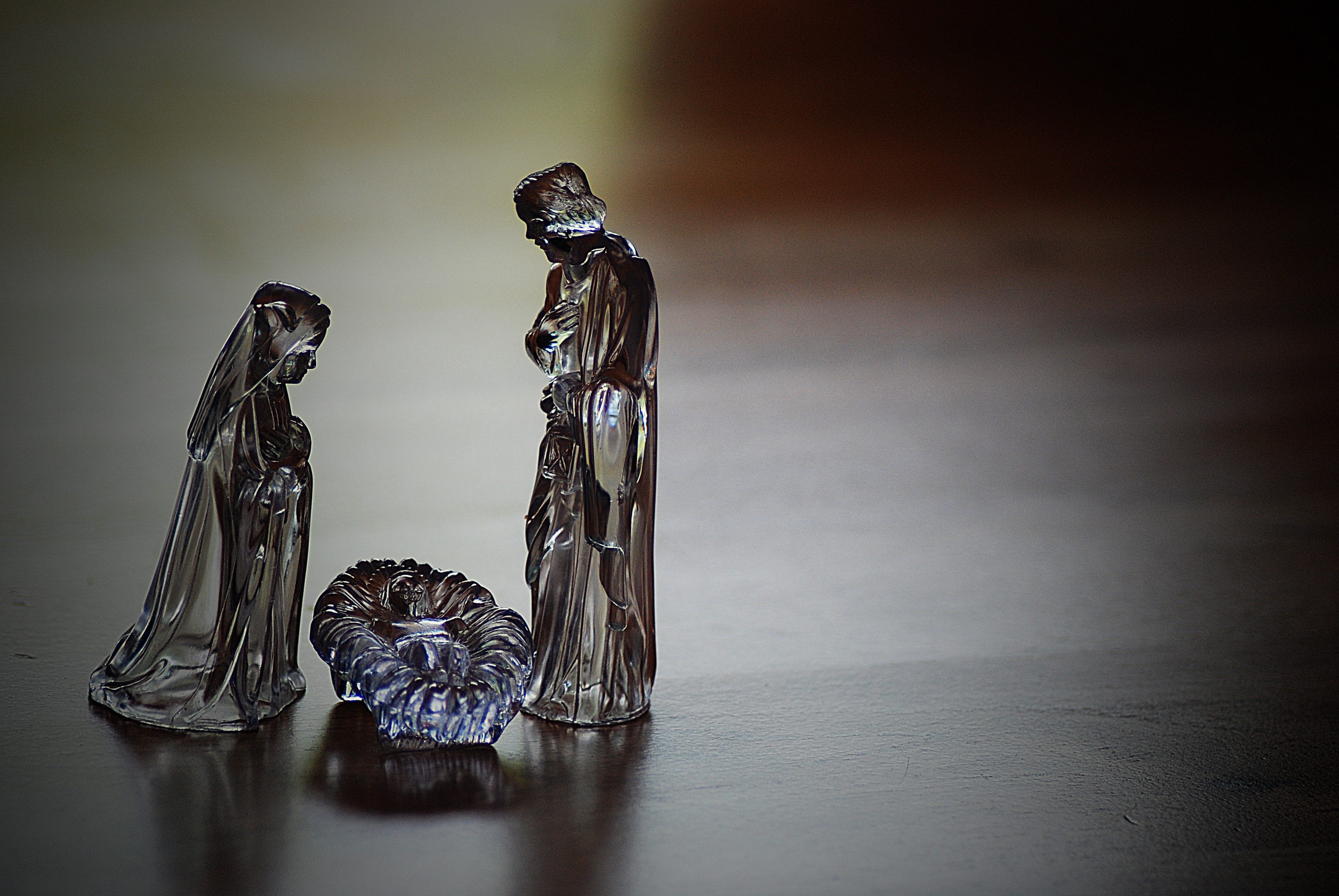
How ‘Joy to the World’ Shares the Good News
This beloved Christmas song is different from most carols. Here, you’ll not find words highlighting the common aspects of the Christmas story. What you will find, though, is the gospel message of the Good News—Jesus Christ!
Joy to the world, the Lord is come! Let earth receive her King; let every heart prepare Him room, and heav'n and nature sing…
The first verse of ‘Joy to the World' shouts Good News has come! Luke 2.11 says, “For today in the city of David there has been born for you a Savior, who is Christ the Lord.” Jesus’ birth fulfilled the long-awaited promise! Along with His arrival comes the call for every person to make room in their hearts for Him—Good News in the flesh. And we sing joy to the world!
Joy to the earth, the Savior reigns! Let men their songs employ, while fields and floods, rocks, hills, and plains repeat the sounding joy…
In the next verse, ‘Joy to the World’ announces the good news of a risen Savior who reigns overall. For Jesus to reign, he had to be raised to life. And didn’t God do it? “He raised Him from the dead and seated Him at His right hand in the heavenly places, far above all rule and authority and power and dominion... (Eph. 1.20-21)” All creation joins in singing praise to the Holy One who reigns. And we sing joy to the world!
No more let sins and sorrows grow, nor thorns infest the ground; He comes to make His blessings flow far as the curse is found…
Today, this third verse is often omitted from the singing of ‘Joy to the World.’ We do not much want to talk about the curse of sin, much less sing it in a Christmas carol. But there is no good news without forgiveness of sin. “For the wages of sin is death, but the free gift of God is eternal life in Christ Jesus our Lord (Rom. 6.23).” What more can we say? And we sing joy to the world!
He rules the world with truth and grace, and makes the nations prove the glories of His righteousness and wonders of His love…
The final verse of ‘Joy to the World’ declares He rules over all things—in truth and grace! The apostle Paul speaks of this in the book of Romans. “Now God’s wonderful grace rules instead, giving us right standing with God and resulting in eternal life through Jesus Christ our Lord (Rom. 5.21).” At Christmas, and all year, we sing of the glory of God’s righteousness and love. The good news of eternal salvation has come. And we sing joy to the world!
Christmas is the most wondrous time of the year.
Our tree is up, and I plan to finish decorating this evening. This live recording of my all-time favorite Christmas album has been on repeat. And yes, they do sing ‘Joy to the World!’
Friend, the true joy of Christmas is this good news. Jesus has come, and He is coming. He reigns eternal. He takes away our sins and gives us new life. He rules this world with His truth and grace, to the glory of His wonderful name. Hallelujah!
Remember this as you walk through the holiday season, doing all the things, going all the places, and sharing gifts, food, and fellowship. The real meaning of Christmas is that Good News has come—and He will come again for those who call Him Lord.
Joy to the world! The Lord is come!
Hymnary.org. https://hymnary.org/text/joy_to_the_world_the_lord_is_come#instances. Link effective 11/30/2023.
Wikipedia. https://en.wikipedia.org/wiki/Joy_to_the_World. Link effective 11/30/2023.